South America
The Galápagos Islands
The islands that changed how we think about life itself. The animals do not fear you; they simply regard you, and carry on.
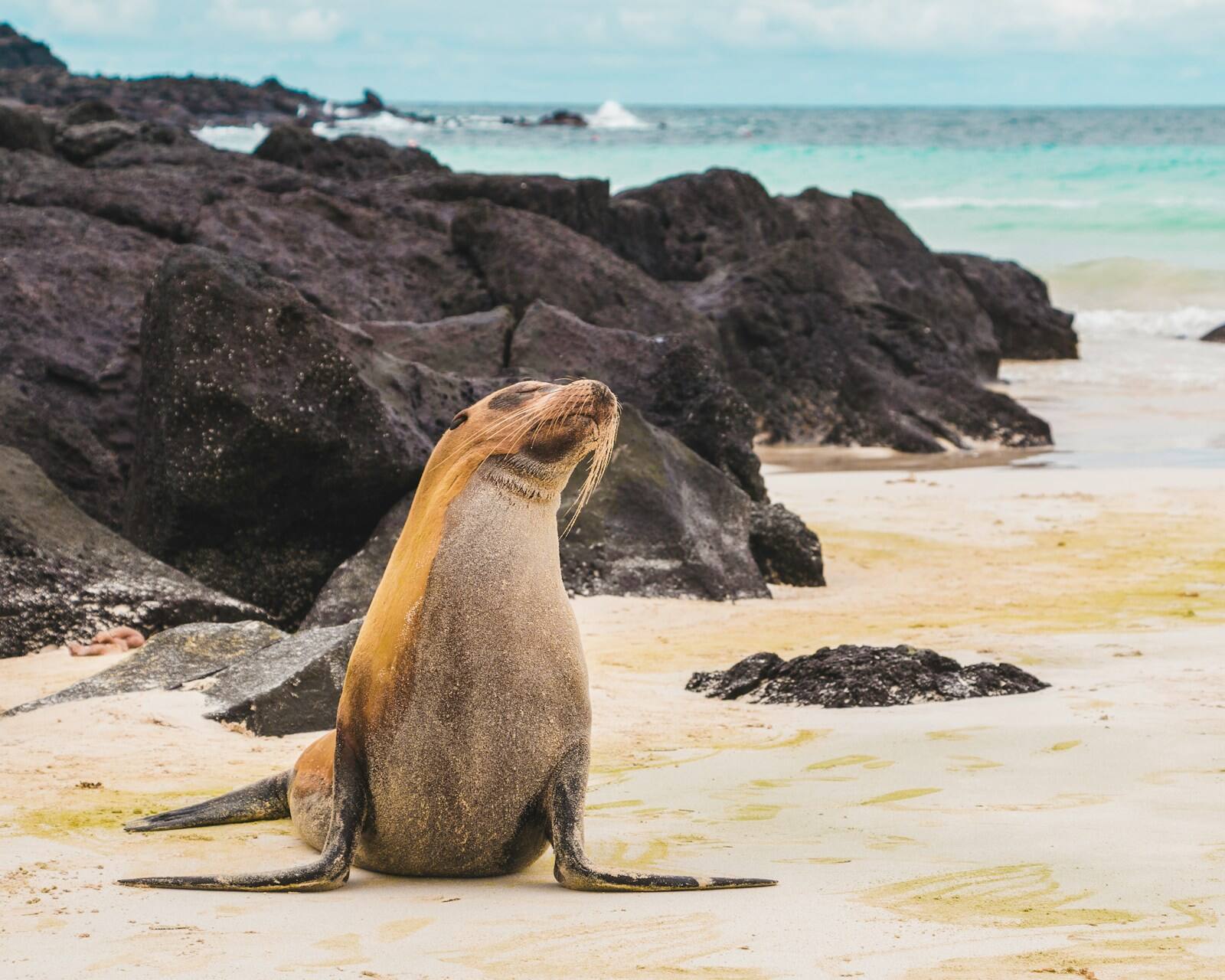
Nowhere else is wildlife this indifferent to your presence. Sea lions collapse across the boarding ladder; blue-footed boobies dance at your feet; marine iguanas sneeze salt in your direction and return to the serious business of basking. The Galápagos are a working lesson in evolution, taught at arm's length.
We sail the western, wilder islands — Fernandina, the youngest, where lava still steams in living memory, and Isabela's mangrove lagoons — as well as Española, sole nesting ground of the waved albatross.
Ports & places
Where we call
Punta Espinoza: marine iguanas in their thousands on black rope-lava, flightless cormorants drying their stub wings.
From April to December, virtually the entire world population nests at Punta Suárez, above a blowhole that fires thirty metres.
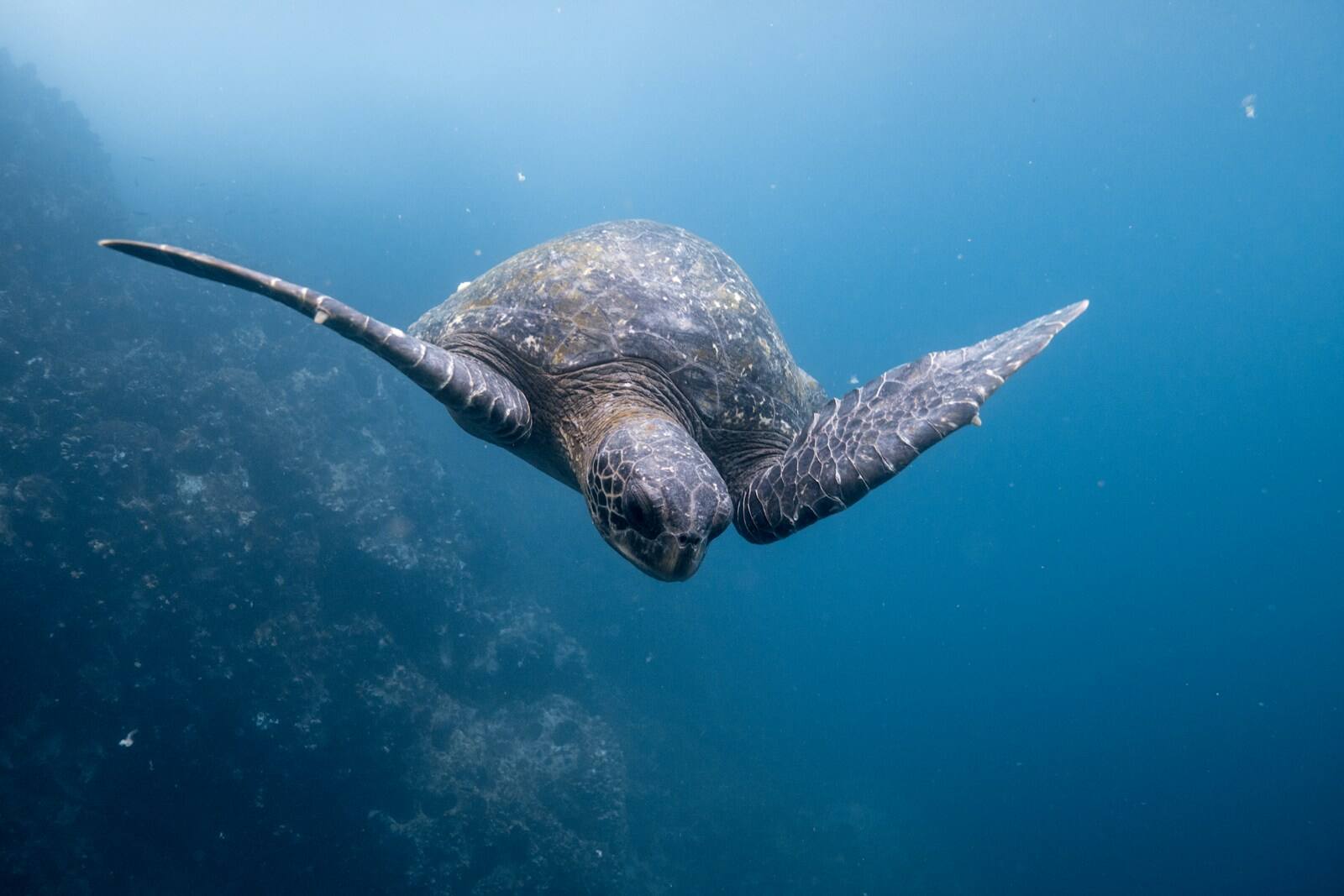
Tagus Cove's whaler graffiti from the 1800s; penguins on the equator; green turtles in the mangroves.
Giant tortoises in the highlands' mist, and the research station that guards the archipelago's future.
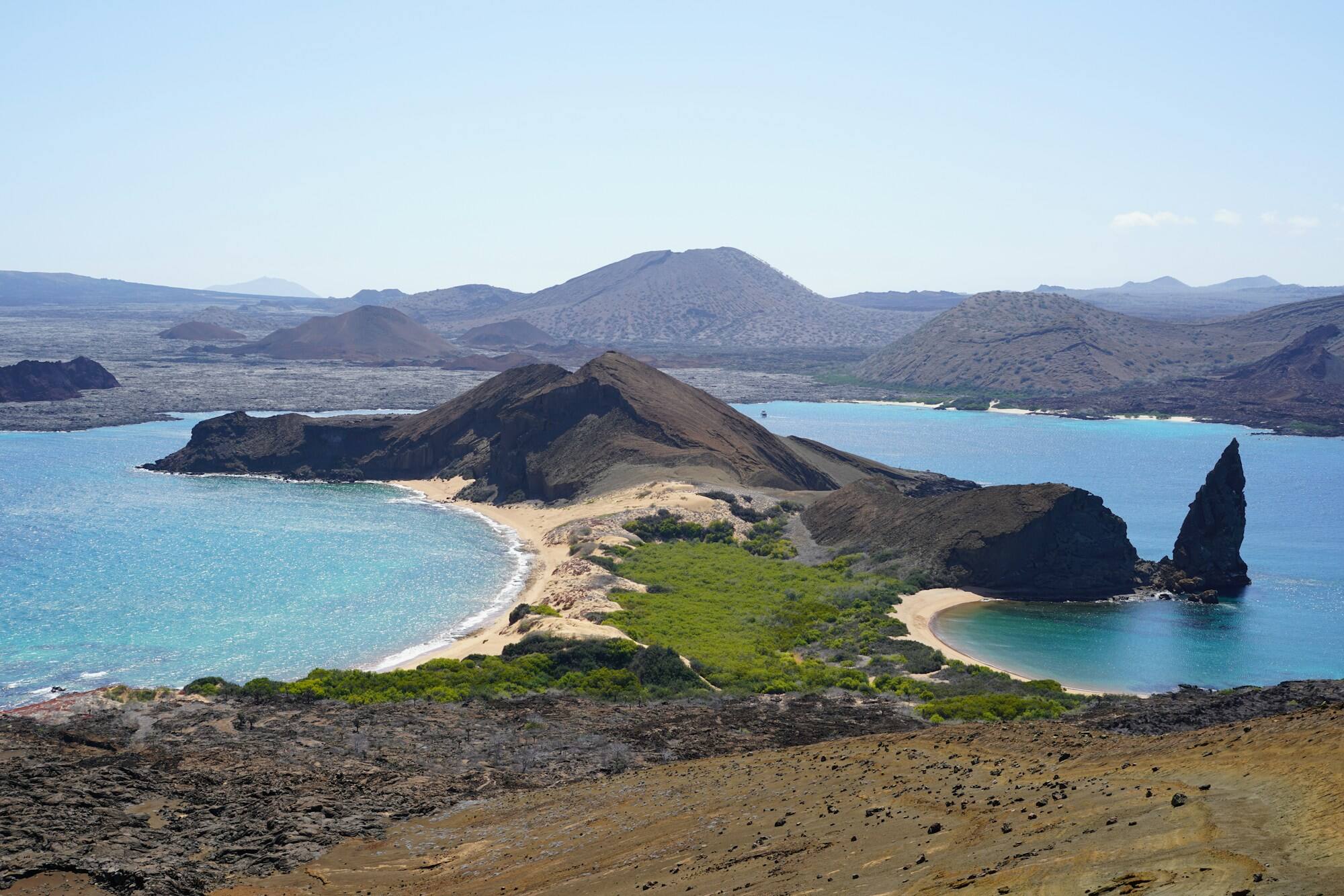
The postcard view: a tuff cone over two bays, one golden, one green, penguins fishing off the point.
In the frame
The light of the place