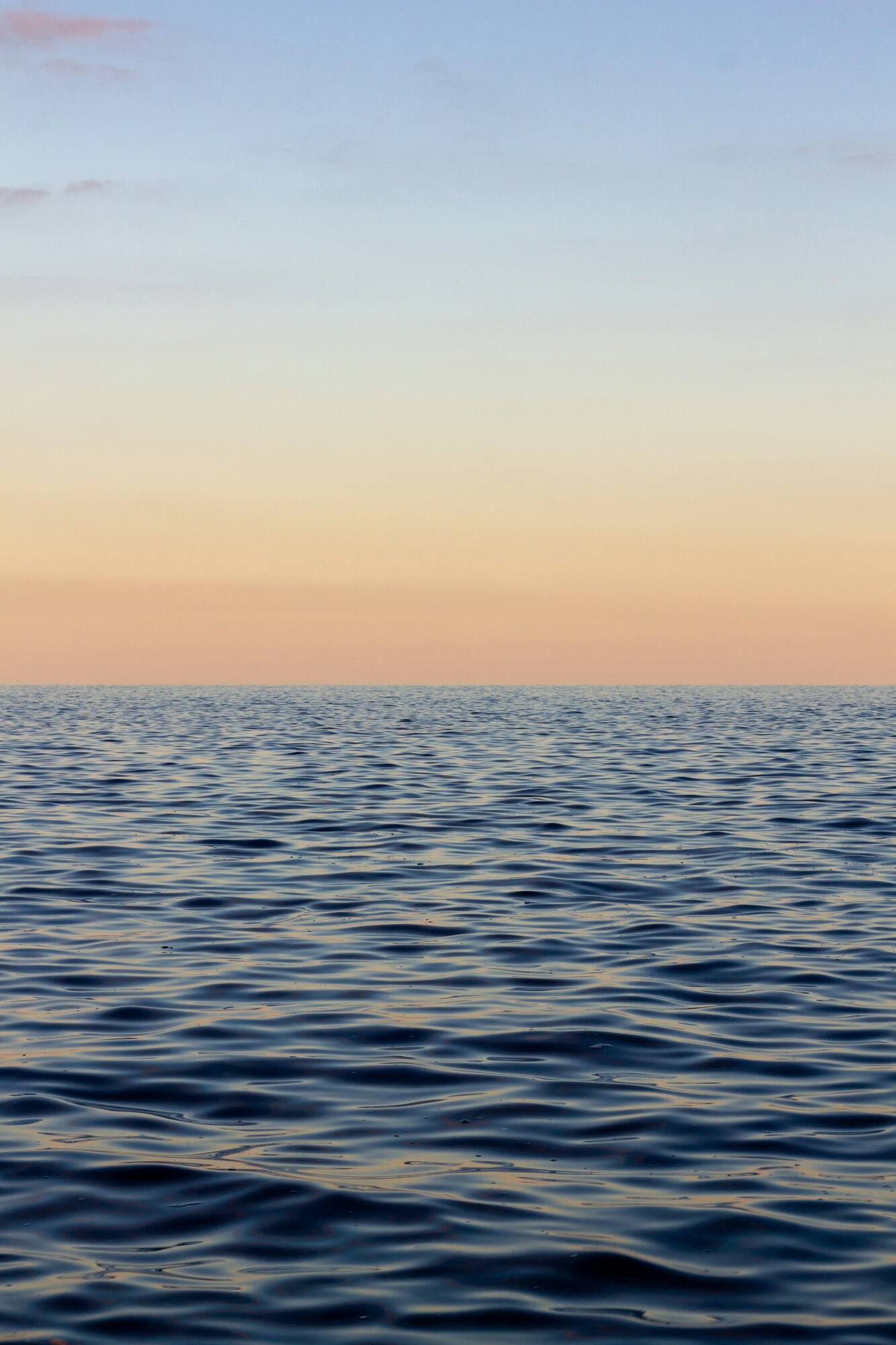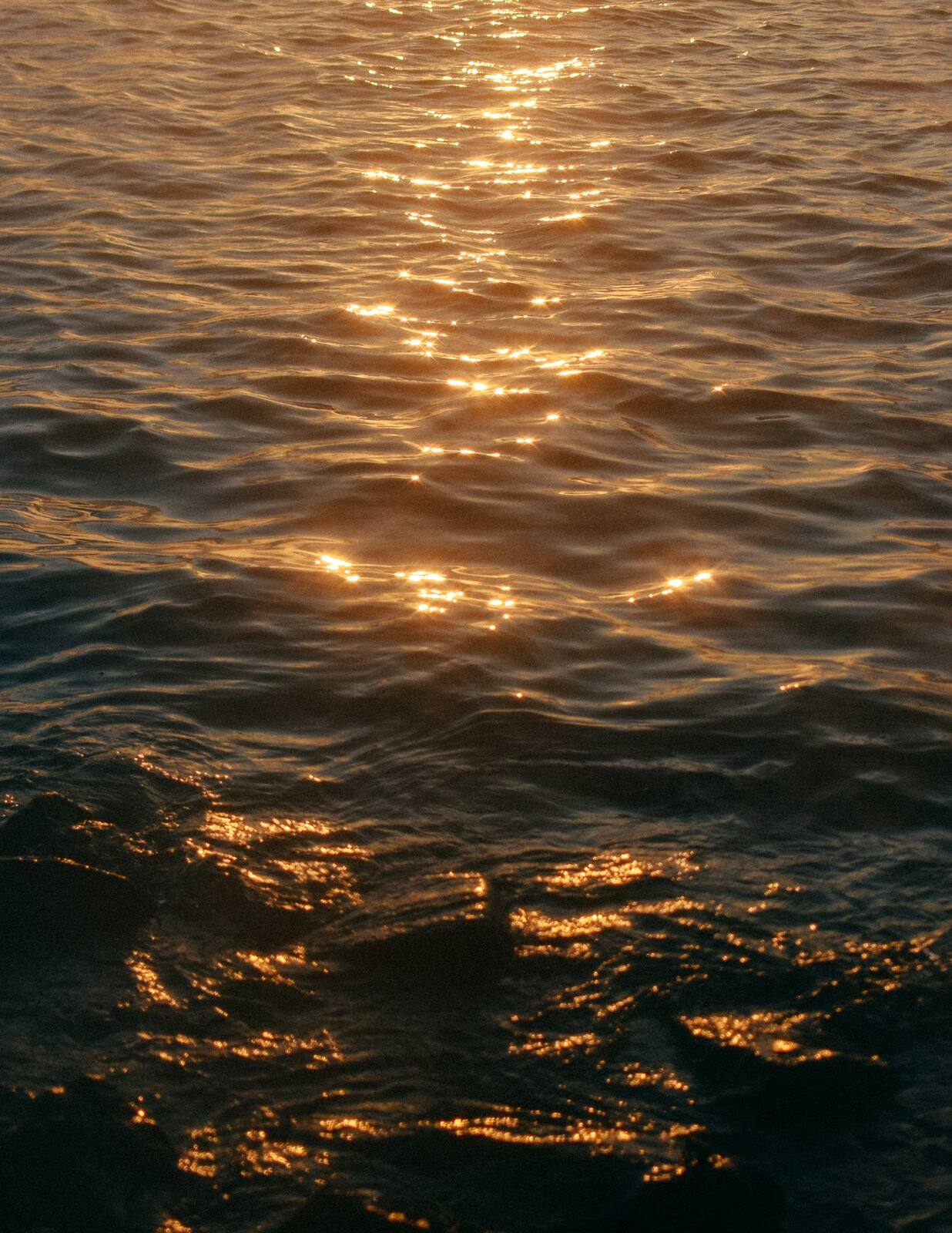
There is a moment, usually on the second day of a voyage, when time changes its texture. The phone stays in the drawer. Breakfast lengthens. You begin to recognise the colour the sea does at four in the afternoon, and to plan your day around it. This is not idleness. It is the oldest rhythm in travel, and we have spent a century unlearning it.
The aeroplane treats distance as an insult to be conquered. The ship treats it as the experience itself. Eighteen knots is the speed at which a coastline becomes legible — at which you can watch a fjord assemble itself from haze, or a harbour town come into focus like a photograph in developing fluid.
Our ancestors crossed oceans in weeks and arrived as different people. We cross them in hours and arrive as the same people, only tireder. The slow voyage is not nostalgia; it is a technology for transformation, disguised as a deckchair.
Try it once. Take the twelve-day passage rather than the two-hour flight. Read the long book. Learn the names of the crew and the habits of the horizon. You will not come back rested — you will come back re-set, which is a rarer and better thing.